
Business & equipment finance
Financing a car for business: the tax basics to discuss with your accountant
26 September 2026 · 5 min read
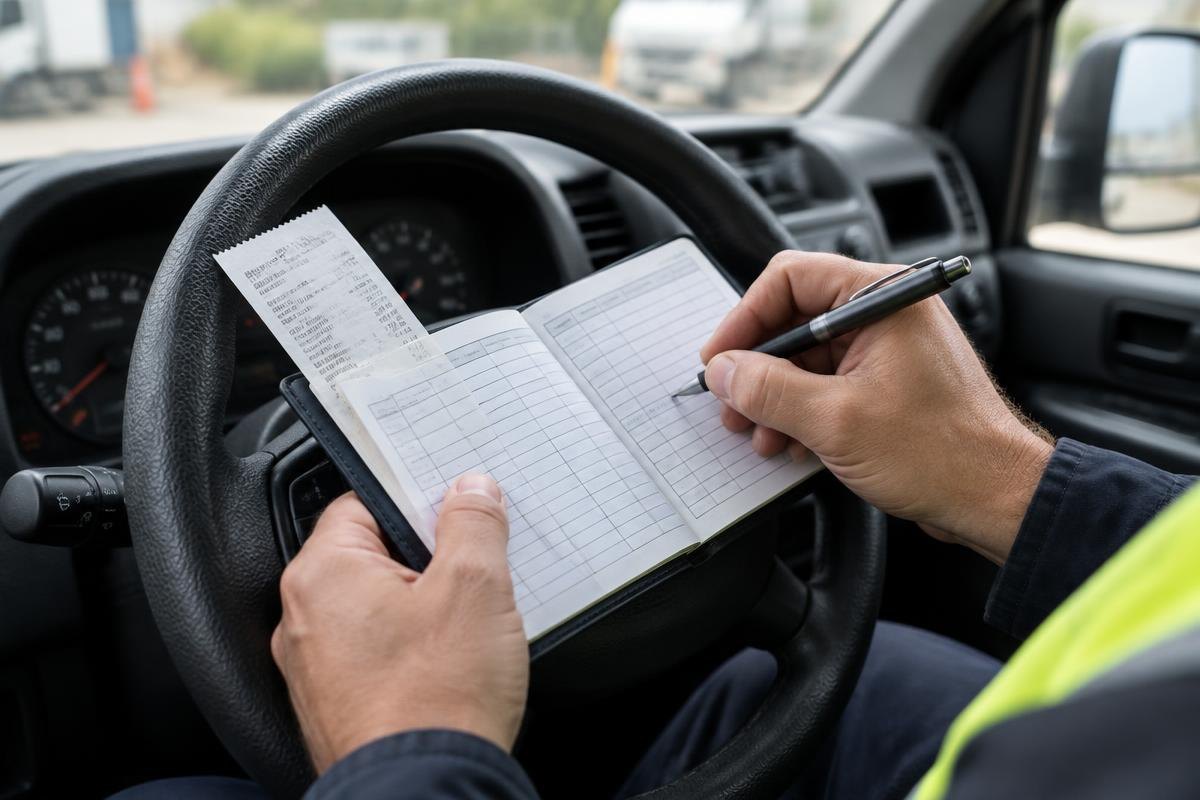
Around tax time, many business owners ask how their car or ute finance affects their tax. The honest answer is that it depends on your business structure, the type of vehicle, how you use it and the records you keep. This article explains the general concepts so you can have a more useful conversation with your accountant. It isn't tax advice.
What kinds of expenses may be involved
The ATO says business owners can claim a deduction for expenses for motor vehicles used in running the business, where the vehicle is owned, leased or under a hire-purchase agreement. The types of expenses it lists include:
- Fuel and oil
- Repairs and servicing
- Interest on a motor vehicle loan
- Lease payments
- Insurance premiums
- Registration
- Depreciation (decline in value)
Business use versus private use
If a vehicle is used for both business and private purposes, only the business-use portion can be claimed, and you need to be able to justify the percentage. The ATO notes that travel between home and your place of business is generally private use, with some exceptions for home-based businesses. Where private use occurs in some business structures, fringe benefits tax may apply.
Why logbooks matter
Good records are what support a claim. For sole traders and partnerships claiming for a car under the logbook method, the ATO says the logbook must cover at least 12 continuous weeks that are representative of your travel for the year, and a logbook is generally valid for five years unless your circumstances change. Receipts and odometer records are also needed.
Structure and vehicle type change the rules
The calculation methods differ depending on whether you're a sole trader, partnership, company or trust, and on whether the vehicle is a 'car' for tax purposes or another vehicle such as a ute designed to carry a tonne or more. There's also a limit on the cost used to work out depreciation for cars. This is why the same vehicle can be treated differently for two different businesses.
Finance structure matters too
Chattel mortgages, finance leases, hire purchase and novated leases are each treated differently for tax and GST. Before you choose a finance structure, ask your accountant which suits your situation. We can then arrange the finance to match.
General information only
This article is general information only. It does not take your personal circumstances into account and is not personal credit, legal, tax or financial advice. Tax rules and thresholds change, and how they apply depends on your circumstances. Speak with your accountant or registered tax agent, or check ato.gov.au, before making any claim or decision. All finance is subject to lender assessment and approval.
The Finsterl view
Your accountant looks after the tax side, and we look after the finance. Once you know which structure suits you, call the Finsterl Finance team on 1300 508 827 or send us an enquiry and we'll help arrange it. All finance is subject to lender assessment, eligibility criteria, terms and conditions.
All finance is subject to lender assessment, eligibility criteria, terms and conditions. Rates and fees depend on individual circumstances.
Run the numbers
Estimate your repayments
Estimates only, but a good place to start a real conversation.
A balloon lowers the monthly repayment but increases total interest paid.
Estimated monthly repayment
$933.91
$215.68 per week equivalent
Amount financed
$45,000
Balloon at end of term
$0
Total of repayments (incl. balloon)
$56,034
Excludes lender and broker fees, which vary by lender and product.
This calculator provides estimates only and does not constitute financial advice, a finance approval or a guarantee of business performance. Actual repayments, costs and business outcomes may differ.
Want this applied to your situation?
A dedicated professional will walk you through the options that actually fit.