
Buying & finance process
Buying privately or through a dealer: what changes when you finance it
4 August 2026 · 5 min read
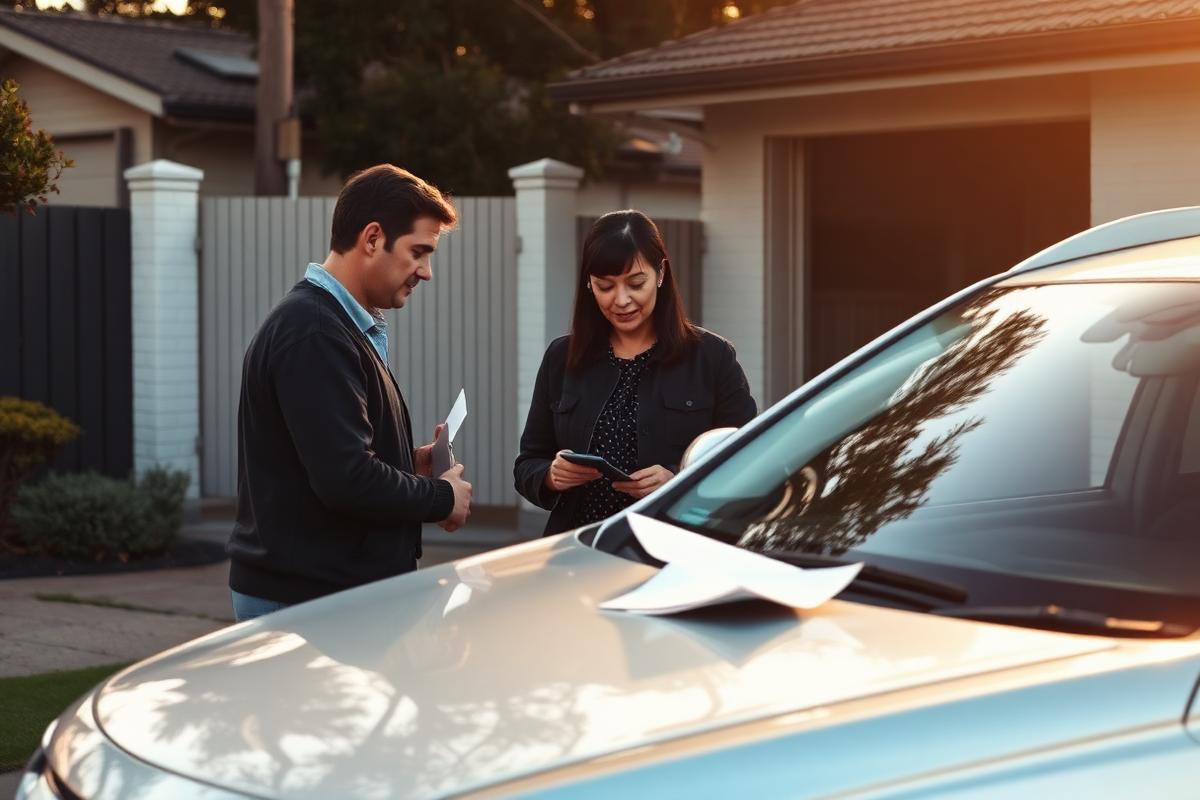
Private sales are common for cars, caravans, boats and increasingly for machinery. The purchase price is often lower, but the finance process is not identical to buying from a dealership. Knowing the difference before you commit avoids the two most frustrating outcomes: a deposit paid on something that cannot be funded, or a seller losing patience while checks are completed.
What a lender needs on a private sale
When there is no dealer in the transaction, the lender takes on verification work that a dealership would normally handle. That usually means confirming who owns the asset, confirming there is no existing finance registered against it, and paying the seller directly rather than paying you.
- Evidence of ownership — registration papers, or a purchase invoice and serial number on machinery
- An encumbrance check to confirm no existing finance is registered against the asset
- A signed private-sale invoice or agreement with the seller's details and bank account
- For machinery and older assets, sometimes a valuation or inspection
Not every lender funds private sales
Private-sale appetite varies. Some lenders decline them outright, some allow them only for certain asset types, and some cap the amount they will fund. This is one of the situations where having a broad lender panel genuinely changes the outcome — the question is not whether private sales can be financed, but which lender will fund this asset for this applicant.
Money never moves the way people expect
Lenders pay the seller, not the buyer. That surprises people who assume the funds land in their account and they transfer them on. It also means a seller who wants cash on the spot may need to be talked through the process — most are fine with it once they understand a bank is paying them directly.
Because of that, avoid paying a large deposit before you know the finance can settle. A small holding deposit with a written agreement is a safer position than a substantial payment made on a handshake.
When a dealer purchase is worth the premium
Dealer purchases usually settle faster, come with statutory protections, and involve less verification. If timing matters — a machine needed for a job that starts Monday, or a replacement vehicle after an accident — the smoother path can be worth more than the discount.
There is no universally right answer. It comes down to price difference, condition, urgency and how comfortable you are with the extra diligence a private purchase requires.
A sensible order of operations
Talk to us before you commit, not after. A ten-minute conversation about the asset, the seller and the timing tells you whether the purchase is fundable, roughly what the repayment looks like, and which documents to ask the seller for while you are still negotiating.
The Finsterl view
We handle private sales regularly across vehicles, caravans and machinery. The deals that go smoothly are almost always the ones where the buyer called first, because the seller's paperwork was requested up front instead of chased later. Funding options are subject to the asset, supplier, applicant and individual lender policy.
Related finance
All finance is subject to lender assessment, eligibility criteria, terms and conditions. Rates and fees depend on individual circumstances.
Want this applied to your situation?
A dedicated professional will walk you through the options that actually fit.