
Business & equipment finance
Starting out on your own? Vehicle and equipment finance for new businesses
26 September 2026 · 6 min read
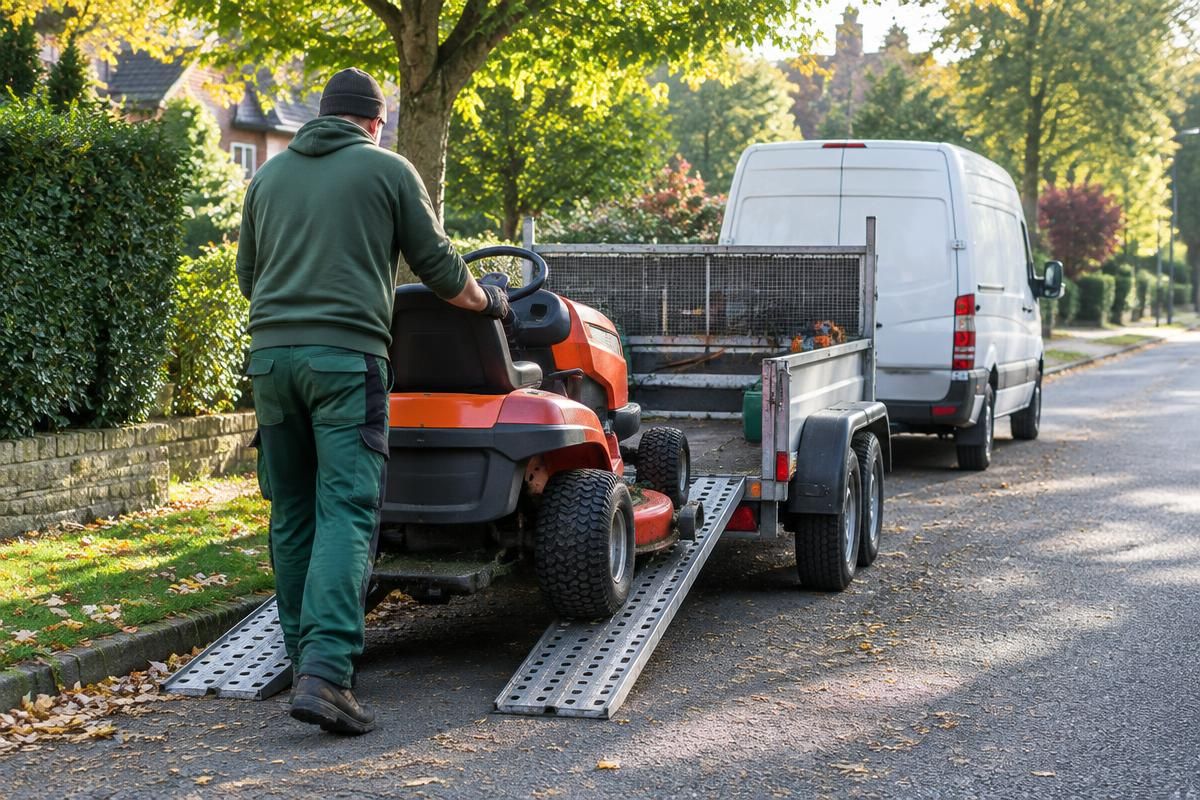
Going out on your own, whether as a tradie, owner-driver, contractor or consultant, often means you need a vehicle or equipment on day one. The challenge is that many lenders like to see a trading history and financial records that a brand-new business simply doesn't have yet. It can still be possible to get finance. It just takes the right preparation and the right lender.
Why new businesses are assessed differently
Standard business finance usually relies on financial statements, tax returns and a track record. Without those, lenders have less to go on, so fewer of them will lend and those that do may look more closely at you personally. Specialist lenders that consider new businesses often do so on a low doc basis. Our guides to low doc business loans and low doc car loans explain how that works.
What lenders commonly look for
Criteria vary between lenders, but for a new business lenders commonly look for:
- An active ABN and full identification
- GST registration, which some lenders prefer but may not require
- Your personal financial position, including personal tax returns, bank statements, assets and debts
- Your personal credit history
- Evidence of the business ahead: contracts, work lined up, a business plan or industry experience
- In some cases a deposit, additional security or a guarantee
Expect some trade-offs
Because the lender is taking on more uncertainty, a new business may be offered a higher rate, a lower maximum loan amount, or be asked for a larger deposit or extra security than an established business would. That isn't always the case, and a strong personal financial position and relevant experience can help.
Choose the structure with your accountant
Once a lender is willing to fund the asset, there's usually a choice of structure, such as a chattel mortgage, finance lease or hire purchase. Each is treated differently for tax and accounting. Your accountant knows how your business is set up and is the right person to help you choose. We'll explain the practical differences, but we don't give tax advice.
How to give yourself the best chance
Get your personal finances in good shape before you apply, keep your business and personal banking separate from the start, and pull together whatever evidence you have of the work ahead. Talking to a broker early, before you've committed to a vehicle, helps you understand what you're likely to be able to borrow and which lenders to approach.
General information only
This article is general information only. It does not take your personal circumstances into account and is not personal credit, legal, tax or financial advice. Lender criteria for new businesses vary and change over time. Talk to your accountant about business structure and tax. All finance is subject to lender assessment and approval.
The Finsterl view
Plenty of good businesses start with one ute and a phone. If you're setting up on your own and need a vehicle or equipment, call the Finsterl Finance team on 1300 508 827 or send us an enquiry, and we'll help you work out a realistic path to finance. Funding options are subject to the asset, supplier, applicant and individual lender policy.
Related finance
All finance is subject to lender assessment, eligibility criteria, terms and conditions. Rates and fees depend on individual circumstances.
Run the numbers
Will it pay for itself?
Estimates only, but a good place to start a real conversation.
Step 1 — the purchase
Finance the machine
Estimated finance repayment
$3,692.11 / month
Amount financed $180,000 over 60 months.
Step 2 — the upside
What could this asset add to your business?
Use a conservative figure — extra hours, jobs or output the asset makes possible.
Estimated monthly summary
Projected additional revenue
$14,000
Additional operating costs
− $5,970
Finance cost
− $3,692
Estimated net additional monthly profit
$4,338
Annualised $52,055
Annual revenue impact
$168,000
Annual operating + finance cost
$115,945
Annual net position
$52,055
This calculator provides estimates only and does not constitute financial advice, a finance approval or a guarantee of business performance. Actual repayments, costs and business outcomes may differ.
Start here
Talk to us about this purchase
Two short steps and a real specialist picks it up.
Want this applied to your situation?
A dedicated professional will walk you through the options that actually fit.