
Buying & finance process
Buying a car privately: 7 steps to get it right
26 September 2026 · 7 min read
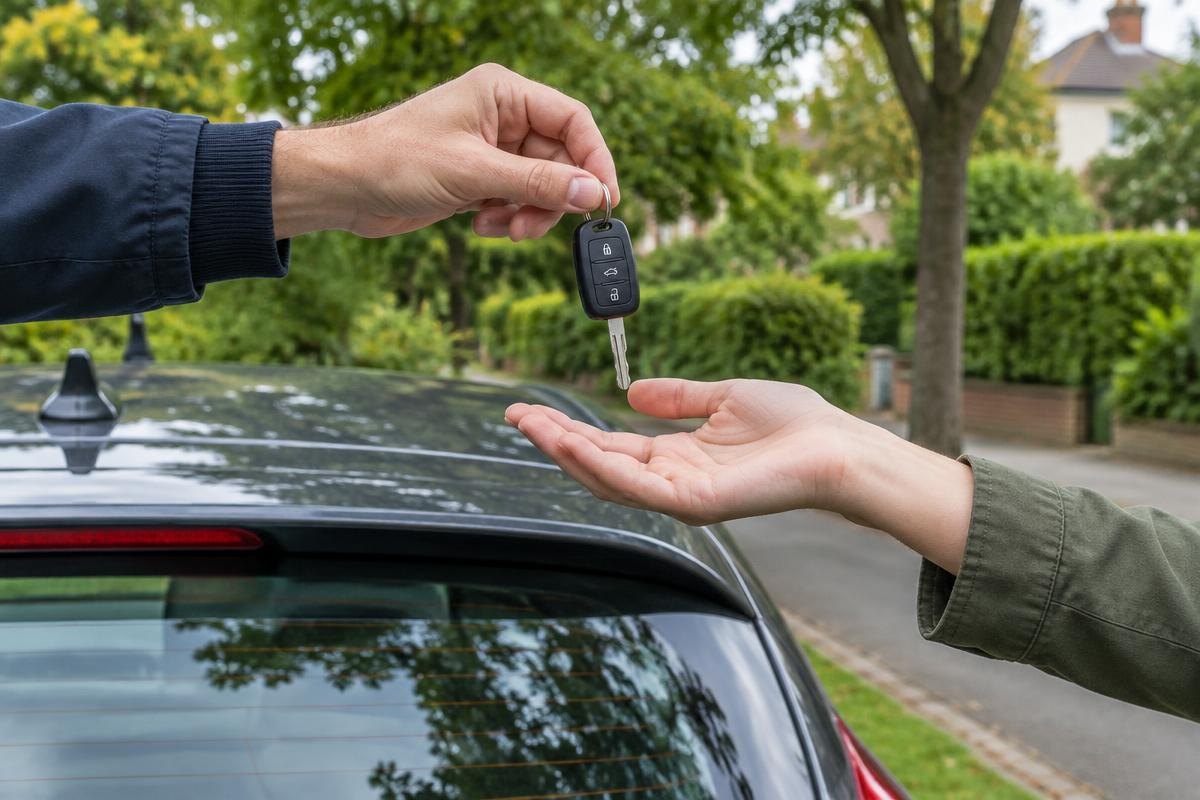
Buying from a private seller can be a great way to get a good car at a fair price. There's no dealer in the middle, though, so the checks, the paperwork and the handover are up to you. Follow these seven steps and you'll cut out most of the guesswork and avoid the expensive mistakes.
Step 1: Sort out your budget and finance first
It's tempting to start scrolling listings straight away. The trouble is that it's easy to fall for a car before you know what you can comfortably spend, and that's when rushed decisions happen.
If you're paying cash, you already know your ceiling. If you're financing, start the conversation early. Getting a pre-approval (sometimes called a conditional approval) before you go shopping gives you a clear price range and lets you move quickly when the right car comes up. Private sellers usually want a clean, simple sale, and a buyer who is ready to go is a stronger negotiator.
Any approval is subject to the lender's assessment and to the car you eventually choose, so treat it as a guide rather than a guarantee.
Step 2: Choose the right car for how you live
Your budget matters more than anything else, and it should cover more than the purchase price. If you're financing, think in weekly or monthly repayments, then add insurance, fuel or charging, servicing, tyres and rego. Make sure the whole lot fits alongside your rent or mortgage, other loans and day-to-day living costs.
Next, be honest about what the car needs to do. A tradie carting tools every day needs something very different from a city commuter. Write down your must-haves and your nice-to-haves separately, for example:
- Number of seats and body type
- Fuel type, fuel economy and transmission
- Safety rating and features
- Towing capacity, if you tow a trailer, boat or van
- A maximum age and kilometre range you're comfortable with
Step 3: Do your research and ask the seller questions
Once you've narrowed it down to a few models, read owner reviews and independent road tests so you know the common problems and what to look out for. ANCAP's website is a useful reference for safety ratings.
Then pick up the phone before you drive anywhere. A short chat with the seller often tells you a lot about how the car has been looked after, and whether there's room to move on price. Useful questions include:
- Why are you selling, and how long have you owned it?
- Is there any finance still owing on the car?
- Do you have the logbook and service records?
- When does the rego expire?
- Does it come with a current safety or roadworthy certificate, where your state requires one?
- Has it ever been in an accident or had major repairs?
Step 4: Inspect it properly and take a real test drive
Before you get behind the wheel, confirm the car is currently registered and that the seller's insurance will cover you as a driver. If it won't, ask them to sort that out first, because an at-fault accident on an uninsured test drive can be very costly.
Look the car over in daylight. Check the body for rust, hail damage, mismatched paint and uneven panel gaps. Look for oil leaks, check the tyres for even wear and legal tread, and make sure the lights, air conditioning, windows and other electrics all work. If you're not confident doing this yourself, an independent pre-purchase inspection from a motoring club or a qualified mechanic is money well spent.
Bring a friend along as a second set of eyes and ears. On the drive, try a mix of low and higher speeds, turns, reversing, braking and rough surfaces, and pay attention to:
- An easy start and a smooth idle
- The temperature gauge staying in the normal range
- Clean, smooth gear changes
- Steering and braking in a straight line without pulling or vibration
- Any knocks, rattles, squeals or excess exhaust smoke
Step 5: Check the car's history on the PPSR
This is the step people skip, and it's the one that can hurt the most. The Personal Property Securities Register (PPSR) is a national government register. A search on a car's VIN (its unique vehicle identification number) shows whether a lender has a registered security interest over it, and can also flag if it has been recorded as stolen or written off.
Why this matters: if a car still has finance secured against it and you buy it anyway, the lender may still be able to repossess it, even though you've paid the seller. A PPSR search is quick and inexpensive to do online, so make it standard.
Check that the VIN on the car matches the rego papers and the PPSR result, and look for any signs of tampering around the VIN plate or stampings. If something doesn't add up, walk away, however good the deal looks.
Step 6: Agree on a price and complete the paperwork
Use price guides and comparable listings to see what similar cars, with similar kilometres and condition, are really selling for. Then factor in anything your inspection turned up that will cost money to fix. Make a fair, realistic offer you can explain, keep it inside your budget, and be prepared to walk away. There are always other cars.
Once you've agreed on a price, put it in writing. A simple private-sale agreement or receipt should list both parties' details, the car's VIN, rego number and kilometres, the agreed price and any deposit paid. Get a receipt for any deposit and for the final payment, or keep a clear record of the bank transfer.
Remember the extra costs of a private purchase: transfer fees, stamp duty (transfer duty) and, where required, a safety or roadworthy certificate. Rules differ between states. In Queensland, for example, a seller generally needs a current safety certificate to sell a registered light vehicle. Check your state's transport authority for the rules that apply to you, and lodge the rego transfer within the required timeframe.
Last but not least, make sure the car is insured before you drive it away.
Step 7: Look after yourself and your new car
With the keys in hand, set yourself up for a trouble-free run. Book in a service if one is due, keep all the paperwork together, and think about what cover suits you, such as comprehensive car insurance. If you're considering a used-car warranty or other protection products, read the terms carefully and compare them before you sign up.
General information only
This article is general information only. It does not take your personal circumstances into account and is not personal credit, legal or financial advice. Transfer, duty and safety certificate requirements vary between states and can change, so check with your state transport authority. All finance is subject to lender assessment and approval, and the terms depend on the lender, the vehicle and your circumstances.
The Finsterl view
Private sales are a normal part of what we do, and they go smoothest when finance is lined up before you meet the seller. Lenders typically pay the seller directly once the checks are done, and some can pay out a seller's existing loan at settlement. If you've found a car privately, or you're about to start looking, call the Finsterl Finance team on 1300 508 827 or send us an enquiry, and we'll help you work out your finance options. Funding options are subject to the asset, supplier, applicant and individual lender policy.
Related finance
All finance is subject to lender assessment, eligibility criteria, terms and conditions. Rates and fees depend on individual circumstances.
Run the numbers
Estimate your repayments
Estimates only, but a good place to start a real conversation.
A balloon lowers the monthly repayment but increases total interest paid.
Estimated monthly repayment
$933.91
$215.68 per week equivalent
Amount financed
$45,000
Balloon at end of term
$0
Total of repayments (incl. balloon)
$56,034
Excludes lender and broker fees, which vary by lender and product.
This calculator provides estimates only and does not constitute financial advice, a finance approval or a guarantee of business performance. Actual repayments, costs and business outcomes may differ.
Want this applied to your situation?
A dedicated professional will walk you through the options that actually fit.